

Middle Corridor Freight Route
Growing logistics network connecting China, Kazakhstan, Azerbaijan, Georgia, Türkiye, and Europe.

Talented
Professionals
United by purpose and passion.
Client
retention
A testament to our consistent performance.
Smooth cargo transfer between rail and sea transport.
Middle Corridor Route Map
China → Kazakhstan → Caspian Sea → Azerbaijan → Georgia → Türkiye → Europe There are two main route options after Azerbaijan: Black Sea route via Poti and Batumi ports Direct rail route via Baku–Tbilisi–Kars (BTK) This flexibility allows companies to choose the best route based on time, cost, and cargo type.
Key Ports and Logistics Hubs
- Xi’an and Yiwu (China rail hubs)
- Dostyk and Altynkol (Kazakhstan border terminals)
- Port of Aktau (Kazakhstan)
- Port of Turkmenbashi (Turkmenistan)
- Port of Baku – Alat Terminal (Azerbaijan)
- Port of Poti (Georgia)
- Port of Batumi (Georgia)
- European rail network
What Cargo is Suitable
- Container cargo (FCL and LCL)
- Electronics and retail goods
- Automotive parts
- Industrial equipment
- Project cargo and oversized shipments
- Time-sensitive cargo
Why Use the Middle Corridor
- Faster than sea freight
- Shorter distance between Asia and Europe
- Flexible route options
- Reduced congestion risk
- Access to Central Asia markets
- Growing infrastructure and capacity
Transport Modes in the
Middle Corridor
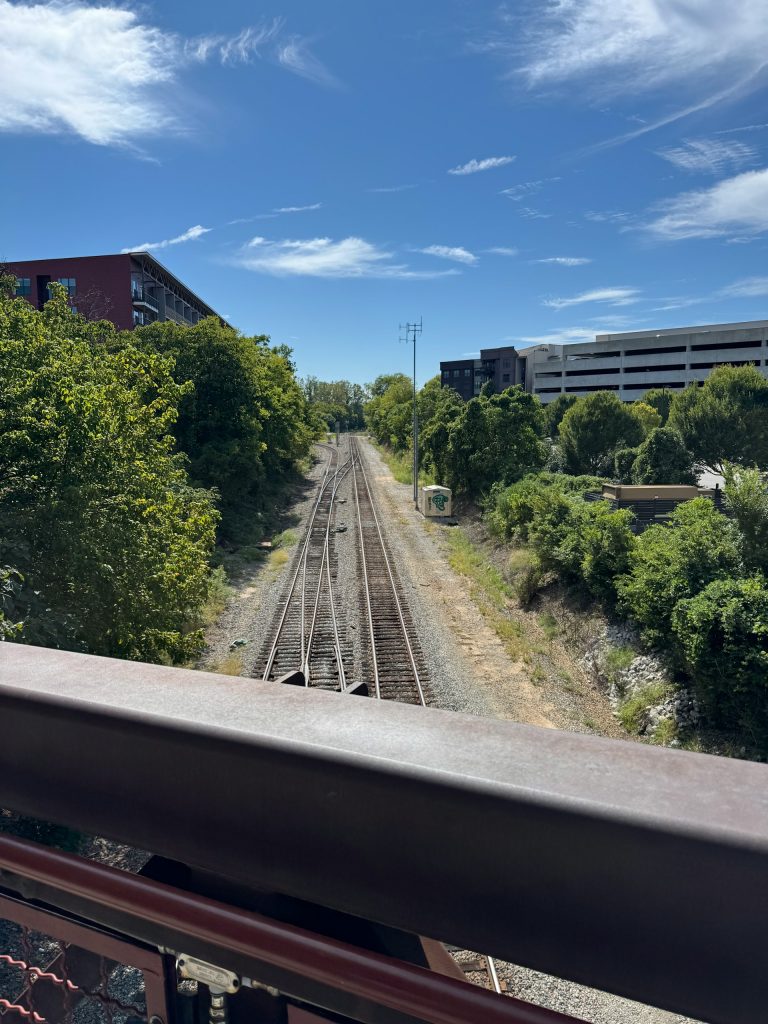
Rail transport across China and Central Asia
Sea transport across the Caspian Sea
Rail transport across the Caucasus and Europe
Have a Middle Corridor freight question?
Frequently Asked Questions

What is the Middle Corridor freight route?
The Middle Corridor is a transport route that connects China and Europe through Central Asia, the Caspian Sea, Azerbaijan, and Georgia. It combines rail and sea transport for faster delivery.
How long does shipping take from China to Europe via the Middle Corridor?
Transit time is usually between 18 and 25 days. This depends on cargo type, route selection, and port operations.
Is the Middle Corridor faster than sea freight?
Yes. The Middle Corridor can be up to 40–50% faster than traditional sea freight, which often takes 35–45 days.
What types of cargo can be transported?
You can ship container cargo (FCL and LCL), electronics, industrial equipment, automotive parts, and time-sensitive goods.
What transport modes are used in the Middle Corridor?
The route uses rail transport across China and Central Asia, sea transport across the Caspian Sea, and rail delivery to Europe.
Which ports are used in this route?
Key ports include Aktau and Turkmenbashi on the Caspian Sea, the Port of Baku (Alat Terminal), and Poti and Batumi on the Black Sea.
Why is Azerbaijan important in the Middle Corridor?
Azerbaijan is the central hub of the route. The Port of Baku connects rail and sea transport and allows fast cargo transfer between Asia and Europe.
Is the Middle Corridor reliable?
Yes. It offers stable transit times and avoids congestion seen in traditional sea routes. Reliability continues to improve with infrastructure investments.
What is the difference between the Middle Corridor and the Northern route?
The Middle Corridor avoids transit through Russia and offers alternative access to Europe. It provides more flexibility and supports supply chain diversification.
Can I track my shipment on this route?
Yes. Most shipments can be tracked during rail and sea transport stages. Tracking depends on the service provider and route configuration.
Is this route suitable for urgent shipments?
Yes. The Middle Corridor is ideal for time-sensitive cargo that needs faster delivery than sea freight but lower cost than air freight.
How do I get a quote for Middle Corridor freight?
You can request a quote by contacting our team. We will prepare a route plan based on your cargo type, volume, and delivery requirements.