


Advanced logistics services of freight forwarding to Europe, Asia, and the CIS countries through Azerbaijan

Scroll to explore
OUR ADVANTAGES
We fully manage supply chains from origin to destination
We are the official logistics operator of Azerbaijan Railways and Azerbaijan Caspian Sea Shipping CJSC
We effectively combine routes and advantages of each type of transport to deliver you profitable solutions
IN NUMBERS
0+ mln tons
Of cargo transported

0+
Clients
0+
Countries covered
LOGISTICS SOLUTIONS
Rail Transportation
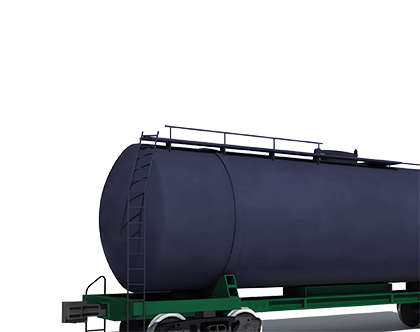
Rail transport is the most convenient option for transporting heavy goods. We have extensive experience in this type of logistics and offer the most effective solutions depending on your cargo.

Marine Transportation
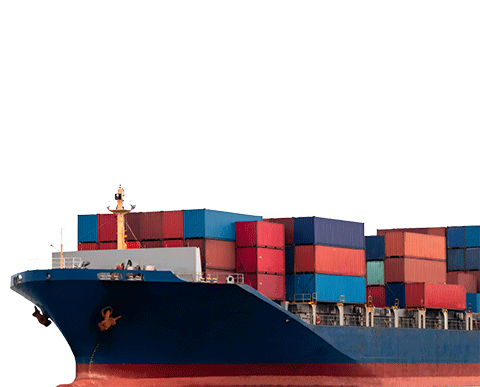
Our marine transportation services through the Caspian Sea have minimum risks and high loading capacity. With our flexible solutions, you will be able to ship large amounts of cargo at a competitive rate.
Container Transportation
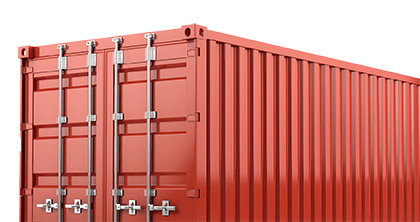
Container transportation is one of the most demanded logistics services. Thanks to close cooperation with our partners, we carry out container transportation at affordable prices.
Multimodal
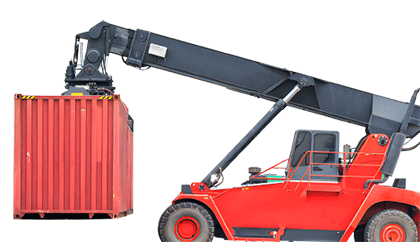
We offer a multimodal transportation logistics service by effectively combining the advantages of each mode of transportation. All operations receive Alliance Logistics' support from start to finish.
LATEST BLOG POSTS

Oct. 8, 2025
President Ilham Aliyev Highlights Azerbaijan’s Role as a Strategic Transport and Logistics Hub at the OTS Summit in Gabala
At the 12th Summit of the Organization of Turkic States (OTS), held on October 7 in Gabala, President of Azerbaijan Ilham Aliyev underscored the country’s growing significance as a central link in Eurasian transport and logistics corridors, emphasizing the importance of deeper integration among Turkic states through connectivity and trade.
Azerbaijan — a Bridge Between Türkiye and Central Asia
In his address, President Aliyev stated that Azerbaijan plays a key role in both the East–West and North–South transport corridors, serving as a vital bridge between Türkiye and Central Asia. He noted that Azerbaijan’s active participation in major transport projects has transformed it into an indispensable logistics hub across geographic and economic dimensions.
“Azerbaijan is an active player in the East-West and North-South transport corridors, serving as a vital bridge between Türkiye and Central Asia across geographic, economic, transport, and other domains,” the President said.
Rapid Growth of the Middle Corridor
President Aliyev highlighted the remarkable growth of cargo movement through the Middle Corridor, which increased by nearly 90% since 2022, accompanied by a significant reduction in transit time. This, he said, reflects the success of coordinated infrastructure and policy measures among Turkic states.
Azerbaijan’s strong infrastructure base — including the Caspian Sea’s largest trade fleet, the Port of Alat (soon to reach a capacity of 25 million tons per year), the Baku–Tbilisi–Kars railway, nine international airports, and the region’s largest cargo airline — underpins this success and reinforces Azerbaijan’s role as a gateway between Europe and Asia.
Zangezur Corridor: A New Artery of Connectivity
A major highlight of President Aliyev’s remarks was the announcement of the Zangezur Corridor’s opening, described as one of the most important outcomes of the recent Washington summit.
“This corridor is significant as a new transport artery and serves as a second route within both the Middle Corridor and the North-South Corridor,” the President noted.
The Zangezur Corridor is expected to enhance interconnectivity among Turkic states and further integrate the South Caucasus into regional and global transport networks. It will create a continuous logistics chain from Central Asia through Azerbaijan and Türkiye to Europe.
Energy and Green Transport Integration
President Aliyev also connected transport development with energy security and sustainability, announcing that Azerbaijan is working with Turkic partners to develop a green energy corridor linking Central Asia, Azerbaijan, Türkiye, and Europe. This initiative complements ongoing efforts to expand renewable energy production — projected to reach 40% of total generation by 2030.
A Vision for Deeper Economic Integration
Beyond infrastructure, the Azerbaijani President emphasized that investment and cooperation among Turkic countries are expanding. Azerbaijan has already invested over $20 billion in the economies of fraternal states, including the establishment of joint investment funds with Uzbekistan, Kazakhstan, and Kyrgyzstan to finance future development projects.
“These initiatives serve to deepen economic integration within the Turkic world, strengthening cooperation among our friendly and brotherly nations in energy and transport, and ensuring the sustainable development of our region,” Aliyev said.
Azerbaijan’s Leadership in Regional Logistics
The President’s speech reinforced Azerbaijan’s role as both a connector and coordinator in Eurasian transport. With multimodal infrastructure, strategic investments, and political will, the country continues to position itself as a leading logistics hub linking the Turkic world to Europe, the Middle East, and Asia.
As Azerbaijan assumes the chairmanship of the Organization of Turkic States, the focus on connectivity, logistics, and sustainable transport development is expected to remain at the forefront of its regional agenda — building on the momentum of projects like the Middle Corridor and the Zangezur Corridor.
July 6, 2023
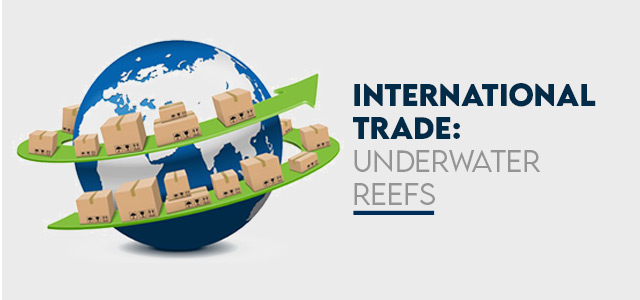
International Trade: Underwater Reefs
Transporting goods across borders involves global competition and multiple levels of requirements. Optimal solutions, staying up to date with strategies and rules, and using the latest technology are essential for international market success.
According to analysts and experts in this field, the most important points are the following:
Requirements and procedures in this area are constantly changing, and it is necessary to know about changes in international norms and rules firsthand in order to avoid delays in both production and sale of goods. Regular review of these rules will reduce their impact on exports to zero.
Don't forget that all documents must be in order, always! Echoing the previous principle, the paperwork required for global delivery can become an obstacle if you do not have up-to-date knowledge of international legal norms. Incorrect or incomplete documents tend to delay shipment and implementation, creating the risk of cancellation and damage to the company's reputation.
Using free trade zones while adhering to the standards and guidelines of international trade agreements, both in the production and distribution of goods, helps to achieve a regional advantage for your business.
In the international trade system, innovative technologies open up new opportunities, and this is an indisputable fact. Through the use of technology, some costs are reduced, which, in turn, stimulates the growth of commercial activity. Here we are talking about transport costs, logistics costs, costs for port services and customs clearance, for obtaining the necessary information, and transaction costs. A striking example is artificial intelligence and self-driving cars, which help reduce transportation costs.
Of course, the important point is not so much the choice of the market for offering products, as the adaptation to it. You will need to analyze it, make sure it fits your business, determine how easy it is to reach it and determine whether it is worth it.
International trade is a complex activity, so it is important for exporting companies to keep these best practices in mind as well as take advantage of reduced logistics costs to increase market share and succeed in new ones.
June 14, 2023
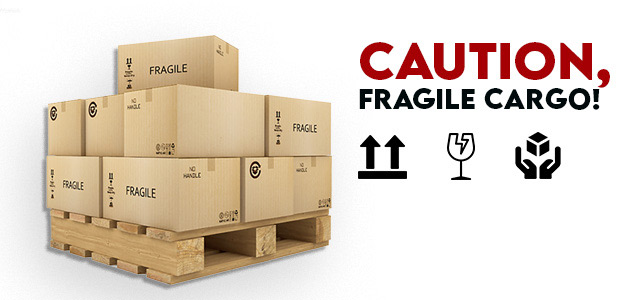
6 Essential Tips for Safely Transporting Fragile Goods
Proper packaging of goods, especially for fragile goods, is critical to successful delivery. Fragile goods come in many forms and require special equipment, handling, and handling conditions. These include glassware, laboratory equipment, musical equipment, jewelry, household items, china, valuable collectibles, or liquid goods. We present to your attention 6 essential tips for safely transporting this category of goods.
1. Packaging is selected according to the characteristics of the cargo. Filling voids in the tare with soft material helps secure the cargo during transport. This method helps reduce the impact of bumps and shocks.
2. When packing and loading fragile goods, regardless of the type of transport, consistency should be strictly followed: placing heavier loads lower reduces the risk of crushing or damaging smaller, more fragile goods.
3. Choosing the optimal type of transport that ensures timely and reliable delivery depends on the characteristics of the cargo.
4. Packing of personal items. No matter how big or small the items are, if they are fragile, they must be packed properly and efficiently. The use of materials such as bubble wrap, fabric, or cardboard will protect the goods, the cargo in the box will additionally be strapped, taped, etc. it is recommended to provide with
5. Marking of the parcel. The presence of clear labels such as "handle with care" or "fragile goods" is a reminder that this group of goods requires special handling.
6. Loading and unloading operations are carried out manually or using special equipment only by experienced workers.
However, even with the most careful organization of transportation, unexpected circumstances can arise that cause damage or loss of cargo. It is in such cases that there is a category of cargo insurance, which is especially important during the transportation of fragile goods. Insurance sums guarantee the client compensation for the value of the property.
May 26, 2023
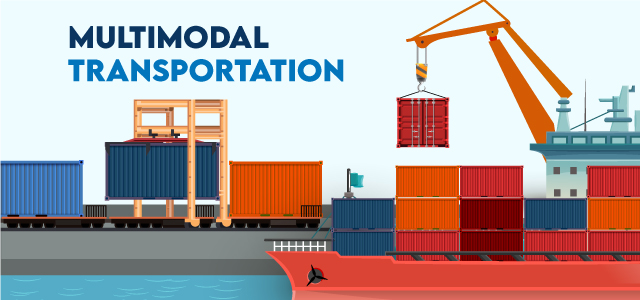
Efficiency and Cost Savings: The Advantages of Multimodal Transportation
Shippers all over the world use multimodal transportation, and for many reasons, this system has many advantages.
What is multimodal transportation? This is a special type of freight transport, which involves the use of more than one mode of transport to deliver goods from the supplier to the buyer.
It is important to note that multimodal transportation involves changing only the method of shipment, without any changes in the handling of goods. For example, if goods are shipped in a specific container, the shipping method will change, but the container will remain the same.
Advantages of multimodal transportation
Multimodal transportation has a number of advantages that make this system one of the most commonly used in global logistics, namely:
- Reduced transport costs
- Better logistics management, combining the advantages of each mode of transport
- Using the same container reduces the time of loading, unloading, and handling of general cargo
- Fewer checks and inspections after sealing cargo units and containers
- Better item tracking
- Reduced risk of product loss due to theft or damage
- Reducing the cost of monitoring goods
- Reducing the time of cargo transportation
Multimodal transport services optimize air, sea, road, and rail transport from start to finish, and in an ever-evolving logistics environment, the network of partners is expanding. As Alliance Logistics, we specialize in multi-modal transport with the most cost-effective logistics solutions you may need, ensuring you achieve maximum efficiency while reducing costs and protecting the environment.
May 12, 2023
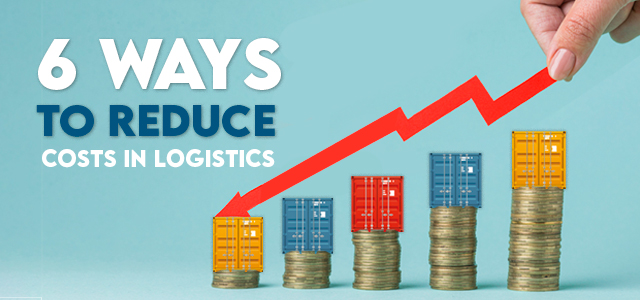
6 Ways to Reduce Costs in Logistics
Transportation is an essential component of the supply chain, and every industry participant strives to receive the most modern transport services at reduced prices. Transport logistics costs are skyrocketing these days for a variety of reasons. Inadequate planning, lack of transparency, and poor decision-making can lead to higher prices, missed deliveries, unhappy customers, and loss of business.
Listed below are 6 proper ways to decrease your logistics costs.
1. Consolidation of supplies
The company's delivery rates are determined depending on weight, distance, and other factors. Consolidation of shipments is one of the strategies suppliers use to make fewer trips and profit from lower rates on bulk orders.
2. Decentralized warehouse services
Another way to reduce transport costs is to use multiple decentralized warehouses. Having goods in decentralized warehouses ensures that they are already in proximity to the customer, allowing greater flexibility and shorter delivery times. Professional inventory management and communication are essential to plan optimal transport routes and save costs by knowing exactly how much and what types of goods are in stock.
3. Automatic container loading system
When handling bulky and heavy goods, loading and unloading containers is a critical part of the workflow. Using an automatic container loading system is a great way to reduce transport and labor costs, avoid product damage, and increase productivity by being able to load or unload all goods at once.
4. Use of technology
The COVID-19 pandemic has shown unequivocally that documenting processes on paper is no longer relevant. There are enterprises for which the digitalization of processes may seem like a significant change in material terms. However, in this case, the benefits outweigh the costs. Digital records give logistics managers a better understanding of the entire supply chain. Computerized record-keeping allows companies to find and correct shortcomings that are costing them money.
5. Reduce the size of your vehicle fleet
Finding effective solutions for fleet cost management can be quite a challenge. It is possible to cover more territory in less time by effectively distributing orders between available vehicles. When fewer trips are required to accommodate more deliveries, it is possible to decommission vehicle assets, further reducing costs.
6. Regular vehicle maintenance
Preventive maintenance can help you avoid breakdowns and keep your vehicle in top condition. With the right regular vehicle maintenance program, you can keep track of how far you've driven, how many times you've stopped, and how much fuel you've used. Good service helps keep vehicles running, resulting in lower fuel consumption and energy wastage, reducing transport costs.
April 28, 2023
Door-to-Door Service: Efficient and Reliable Way to Transport Your Cargo
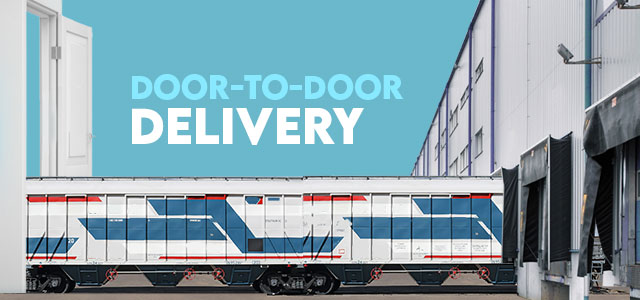
The development of infrastructure and logistics requires companies to improve the solutions offered to customers constantly. First, the principles of ensuring efficiency and safety are taken as a basis. Door-to-door service is ideal for these purposes. The essence of the service is that the carrier company assumes all responsibility for the preparation, shipment, and transportation of the cargo, which allows you to save time and control each stage of the process.
Advantages of door-to-door service
1. At all stages of transportation - from the moment the cargo is received to its delivery to the destination, it saves the time and effort of the customer, who entrusts the control to the carrier. It also saves the customer from unnecessary formalities.
2. Maximum protection of cargo against the risk of damage is ensured.
3. After loading, the goods are sent to any part of the world without intermediate storage and handling.
4. It is recommended when sending bulk cargo.
Disadvantages of door-to-door service
1. Sometimes, depending on the type of cargo, the use of this service is not possible. Door-to-door delivery is not applicable, for example, to liquid and bulk cargo in large volumes, and dangerous goods (additional verification is required).
2. Higher cost compared to other modes of transportation.
3. Without stable sales, this scheme is unprofitable for the client.
Service Features
The carrier company prepares all the necessary accompanying documents within the door-to-door service, carries out direct transportation, forwarding, customs clearance, and unloading operations upon arrival at the destination, and assumes all duties and responsibilities related to cargo delivery. During cargo transportation, the company provides a comprehensive approach, involving several types of transport, as well as intermediaries with whom it negotiates directly.
Cost Calculation
To determine the final cost of door-to-door service, it is important to consider several important points:
- cargo volume/weight;
- the length of the transportation distance;
- time required for delivery;
- transport costs;
- cargo insurance.
April 12, 2023
Surviving Natural Disasters: Mitigating Supply Chain Risks
Thanks to globalization and the rapid geographic expansion of international supply chains, companies can allocate limited resources more efficiently than ever before. But, unfortunately, this process also has its downside - the unpredictability of weather conditions, on which many logistical processes partially depend. Today we are talking about natural disasters.
Natural disasters affect the transportation of goods in many ways, from delaying your supply chain and increasing costs to unpleasant situations such as lost cargo and damaged goods.
A supply chain disruption is defined as a critical failure in the overall logistics process. Natural disasters are one of the causes of such violations. They usually cause massive damage to several firms and facilities at once, which has a serious impact on the industry. With the globalization of supply chains, companies' exposure to disaster risk has crossed national borders, as the effects of a natural disaster in one geographic location can affect facilities in other locations.
But shippers have an opportunity to mitigate risks during natural disasters. First, you need to communicate frequently to keep your employees and products up to date. Effectively communicating changes to plans is a significant time and money saver, but this is only possible if your supply chain provides full transparency at every stage of the shipping process.
Tariffs
Obviously, your shipping rates will increase during a natural disaster. For example, if the roads are impassable, it will be necessary to use alternative routes, increasing fuel consumption and driving time.
Productivity
After a disaster, there is intense competition for limited transportation resources and equipment. Due to those limitations, the productivity of the company decreases and this will naturally lead to increased costs due to shortages at best. In the worst-case scenario, it will be impossible to find the necessary resources.
Shipping time
If under normal circumstances the transportation period would take two days, this period may be extended due to the uncontrollable effects of natural disasters. It may have to wait until the roads are open or until the warehouse/factory resumes operations. As a result, your travel time will increase.
Fuel
Fuel prices always rise after natural disasters. Oil refinery shutdowns, damage, or disruptions cause fuel prices to rise.
Refusal to carry
During a natural disaster, carriers often refuse to deliver goods to their destination. This is where the supply chain begins to break down: factories are disrupted while waiting for materials or components; retailers face the threat of stockouts, etc. All this leads to the loss of potential opportunities and income.
Internal delays
Often, cargo transportation within the country also depends on weather conditions. Even if there is zero risk of a natural disaster in your region, delivery of goods will be delayed due to facility closures or power outages due to inclement weather. And, of course, as a result, it will have a negative impact on logistics.
Of course, when the customer chooses a logistics company for the transportation of his cargo, he is concerned about the safety and integrity of the delivery, because various unexpected situations may arise during the transportation process. What do we do to transport your cargo safely? First of all, the general technical condition of the transport is strictly monitored, and all rules and standards ensuring the safety of cargo transportation are followed, especially during loading and unloading operations. Alliance Logistics specialists work out the optimal route, considering the time of year, weather conditions, and travel time.

March 28, 2023
Key Logistics Trends in 2023
In recent years, the coronavirus pandemic has affected all sectors of the global economy. Logistics companies have to change their strategies to be more innovative to reduce losses and meet the new demands of the economy in the face of restrictions. There is an urgent need to respond in a timely manner to the rapidly changing trends in logistics in 2023.
The main ones include the following:
Digitalization and artificial intelligence
The pandemic contributed to a shift in the vector of business development, which also affected the digitalization process. Companies now face the challenge of integrating human capabilities and artificial intelligence. Investments in the development of information technology are considered one of the best ways to reduce the costs of companies. Severe quarantine restrictions have underlined the clear need for such innovations. Logistics companies are increasingly introducing new systems for managing warehouse and transport operations, new IT solutions to optimize logistics solutions, and also improve existing ones.
Elastic logistics
The market is governed by the law of supply and demand, the ratio of which is sometimes unpredictable. In this aspect, thanks to elastic logistics, it is possible to increase and decrease capacities in the supply chain, and quickly adapt to changing realities. The "flexibility" of logistics helps to reduce costs and not lose potential profits.
Focus on online commerce
The global Covid-19 pandemic has significantly affected the market structure and growth of online shopping and helped remove barriers to taking advantage of e-commerce. Electronic alternatives to offline offerings have been launched to meet dynamic consumer demands. The conservatism of some companies in this matter has led to forced closures or significant losses.
Green logistics
Global warming and human impact on the environment are no longer considered abstract concepts, but the specific problem, which is being addressed in all spheres of life. The logistics industry is also no exception. Green Logistics - a new concept in this area, aimed at reducing the industry's impact on the environment. There are many ways to prevent pollution by green logistics companies - optimizing loading, optimizing the route, choosing a more environmentally friendly mode of transportation, etc. In the future, this trend is only expected to further strengthen.
Last Mile in logistics
This is the last stage in the delivery of goods to the buyer. At this stage of the supply chain, there are some difficulties, the main of which is the speed of delivery. In order to compensate for delays in global transportation, courier services are trying to make the most of the efficiency on the last mile. Only in this case, they will be able to manage the situation, meet the requirements of the market and strengthen their position in the business.
March 16, 2023
How Does AI Сhange the Logistics Industry?
Most areas of the industry, including logistics, have been transformed by the development of new technologies such as artificial intelligence (AI). Autonomous vehicles, warehouse automation, predictive analytics, and smart roads are examples of technologies that are becoming the norm today.
Companies are beginning to realize the value of machine learning and the benefits of leveraging the expertise of AI vendors to improve manufacturing and delivery.
We decided to analyze and share useful information about the advantages of applying artificial intelligence in the logistics industry.
In fact, building an artificial intelligence system is a painstaking process of transferring human qualities and abilities to machines and harnessing their superior computing capabilities in order to exceed their capabilities.
What is the role of artificial intelligence in the transformation of the field of logistics? And what are the positive aspects of these changes? Sufficient grounds can be presented to prove the exceptional impact of artificial intelligence on logistics.
1. Artificial intelligence reveals the potential of Big Data in logistics
By taking advantage of the possibilities of Big Data, logistics companies can increase the efficiency of their operations based on accurate forecasts. Moreover, it is possible not only to improve a specific business process but to get the general picture and solve several issues at the same time.
2. Due to logistics, robotization becomes more relevant
Artificial intelligence has a positive impact on warehouse operations management. Robots can identify, move, sort, and track goods, empowering today's workforce. By reducing the negative impact of the human factor, using robots in warehouse operations can increase the productivity of the company, the level of security in the field of logistics, and reduce operational costs.
3. Better demand forecasting
Forecasting future needs for consumables is critical to a successful business. If your company cannot make accurate forecasts and the number of goods available does not meet high demand, the possibility of running out of stock and losing revenue increases. Surely, every entrepreneur tries to avoid this, because otherwise he simply could not meet the needs of his customers.
4. Real-time route optimization
Through the implementation of autonomous delivery systems that use real-time route optimization technologies without human intervention, artificial intelligence can improve delivery efficiency and reduce transportation costs.
5. Warehouse automation
"Computer vision" is widely used in automated warehouses. This technology enables the identification and systematization of products and will help manage quality control without human intervention in the future. Furthermore, if the supply chain includes multiple warehouses, AI can connect them to determine the best way to move goods. With the help of computer vision technology, artificial intelligence also recognizes damaged objects and assesses the type and depth of damage, which allows it to prevent future damage and takes certain measures.
6. Back-office automation
Invoicing, email processing, scheduling, HR management, and other office operations can be accelerated and automated with the help of artificial intelligence, saving significant time.
In conclusion, the world of logistics is being completely transformed by the use of new technologies, especially AI. The application of artificial intelligence is one of the main factors for the progress of this industry. Artificial intelligence increases not only the efficiency but also the accuracy of logistics processes, which further increases profitability.
March 14, 2023
Top 5 Most Difficult Oversized Cargo
Oversized cargo is cargo which dimensions exceed the standards established during transportation. For this reason, the transportation of such goods is a complex task, which can only be solved by an integrated approach of specialists.
In this article we will talk about the top 5 most difficult to transport oversized cargo.
5. Residential houses and historical buildings
Transportation in this category is required for many reasons. It can be a natural disaster, moving to a new place, or preserving an architectural monument. Transportation of finished structures is carried out as a whole or disassembled by trawl. For some countries, take, for example, the United States, the transportation of houses is a common thing, for which its own mechanism has already been worked out, and this is a rather profitable business. Transportation of historical buildings is also not uncommon. One recent case is the relocation of the lighthouse Rubjerg Knude (1899) in Denmark, which was threatened with collapse due to soil erosion.
4. Equipment for the oil and gas industry
When transporting oil and gas equipment, it is necessary to take into account not only the oversized cargo and heavy weight. Often this kind of equipment contains fragile parts such as electronic devices, sensors, monitors, and other built-in mechanisms. Improper transportation can cause damage to these parts, which will eventually lead to the failure of the entire equipment. Therefore, it is necessary to strictly control both the transport vehicle itself and the roadbed along the route, cargo securing, and even the professional qualities of the driver himself. In the international experience of deliveries of oil and gas equipment, a successful example is the transportation of reactors for the Achinsk refinery by the carrier Spetstyazhavtotrans in 2013. The parties to the order were nominated for the Guinness Book of Records: the Book's editor-in-chief set a record for the heaviest cargo (1,306 tons) transported by road over the longest distance on land (203 km).
3. Heavy industrial equipment for refineries and steel mills
Heavy industrial equipment is a special case in logistics, since neither the weight, sometimes reaching hundreds of tons, nor the size and constitution meet the standards. These loads cannot be handled by an ordinary trailer truck. In such "oversized" cases, specialists use multi-support platforms - small multi-wheel modules on solid tires. By docking with each other, these elements can form a special trailer of any width and length (in theory). Of course, with such a load, transport will not be able to go fast: in some sections of the route, the speed does not exceed walking speed. To prevent overheating, such designs provide for the presence of a powerful cooling system in the transmission.
2. Transportation of rockets
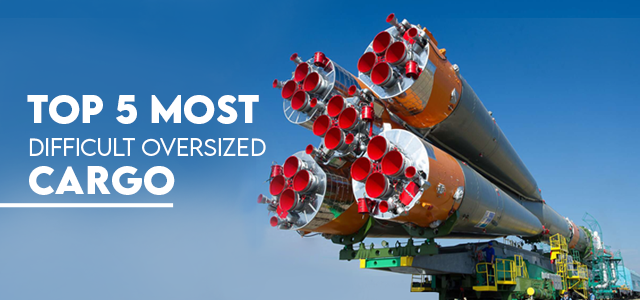
The most complex maintenance equipment of huge dimensions was necessary for the Scalpel rockets: the weight of the special container in which it was transported (25 tons) was added to the dead weight of the rocket (104 tons) to maintain the desired microclimate. In addition to everything else, it was necessary to comply with difficult safety conditions, because the rocket was transported in a refueled state in a special isothermal car made to fit its dimensions.
1. Super tractors
The first place in our rating is occupied by unique transportation, which took place in the summer of 1996. A certain commercial company purchased a 40-meter pleasure boat weighing 88 tons, from which they planned to make a floating restaurant on Naroch. But here's the bad luck: the boat is on the Berezina, and it does not connect with Lake Naroch in any way. Future restaurateurs managed to agree on the implementation of the transportation of this boat by tractor-transporters MAZ-7907, although initially they were supposed to transport intercontinental missiles. The speed of the conveyor was approximately 5-10 km/h. The journey of 200 km covered almost five days. We added this transportation to the top list due to the uniqueness of the idea: at that time there was no such equipment anywhere in the world, and the creativity of engineers and non-standard thinking together led to such an unusual solution.
As Alliance Logistics, we have extensive experience in the transportation of oversized cargo and provide reliable services in this field.