Every year, the same situation repeats itself.
A company finalizes production, prepares cargo for shipment in July or August, and then discovers that transport capacity is limited, transit times are longer than expected, and freight rates have increased.
The problem is not usually the cargo itself.
The problem is timing.
For companies moving industrial cargo across the Caspian region, Q3 planning should begin before summer starts. The most successful exporters are often the ones that secure capacity, prepare documentation, and confirm routes weeks before their cargo is ready to move.
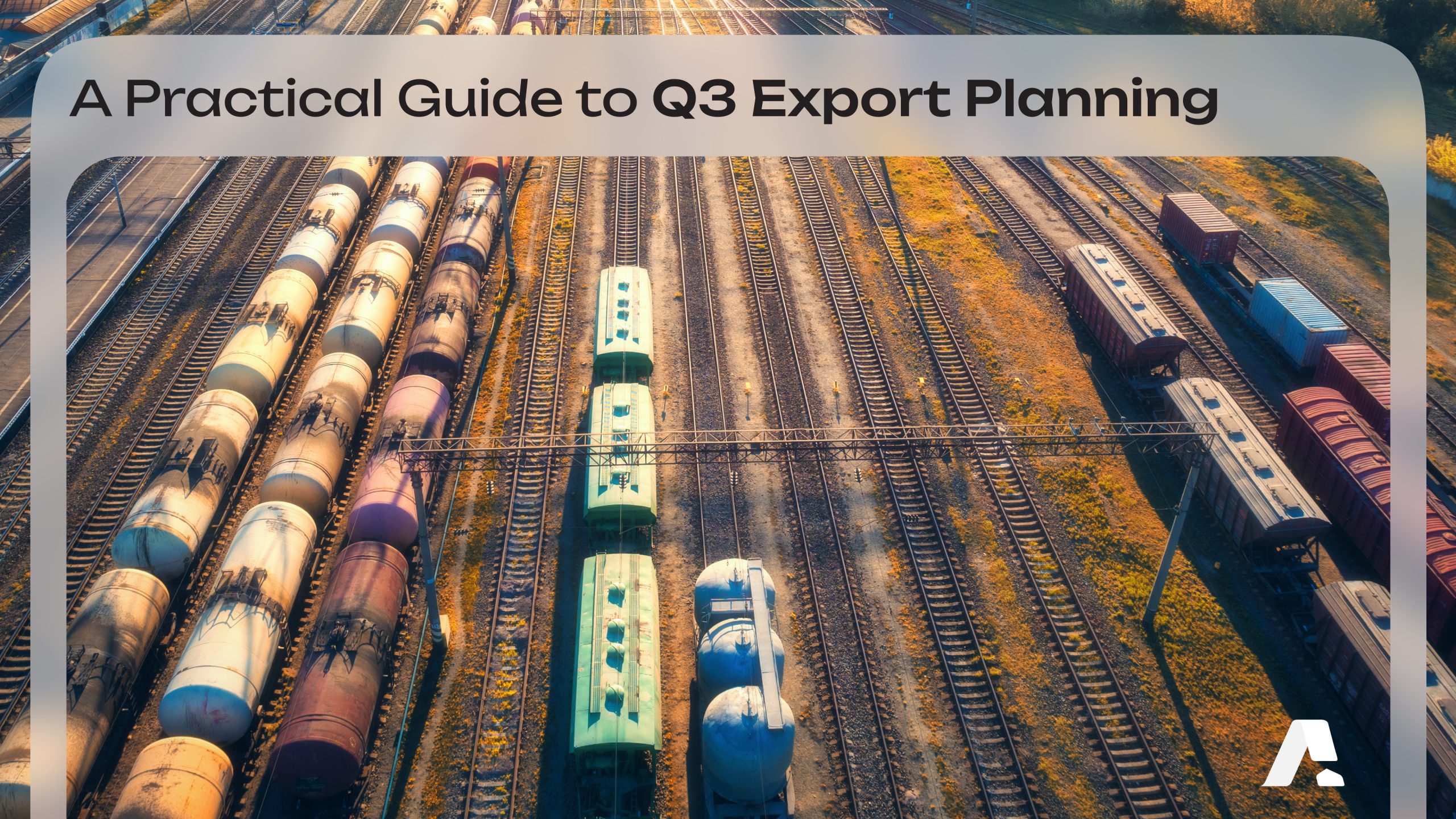
This guide explains what typically happens during the July-September period and how companies can prepare for it.
Why Summer Creates Pressure on Freight Networks
Summer is one of the busiest periods for regional trade.
Industrial projects continue moving, manufacturers increase shipments before autumn production cycles, and many companies attempt to move cargo before year-end planning begins.
As demand increases, available transport capacity becomes more limited.
The result is:
- Longer booking lead times
- Reduced route flexibility
- Higher freight rates
- Increased pressure on border crossings
- Longer transit times on some corridors
For companies that wait until the last minute, these challenges often become expensive.
Which Corridors Typically Tighten First?
Not every route experiences the same level of pressure.
In the Caspian region, several corridors regularly experience increased demand during the summer months.
Azerbaijan – Georgia – Türkiye Corridor
This remains one of the busiest trade routes in the region.
Cargo moving between the South Caucasus and Türkiye often competes for the same transport resources during peak periods.
As freight volumes increase, available capacity can fill quickly.
Caspian Crossings
Vessel capacity becomes increasingly important during summer.
Additional demand from industrial exporters and regional trade flows can create tighter booking conditions on Caspian routes.
Companies that secure space early generally have more scheduling options.
Regional Border Crossings
Border processing remains an important factor in transit planning.
During peak periods, increased freight volumes and seasonal public holidays can affect processing times.
While delays are not guaranteed, companies should build realistic timing expectations into their transport plans.
Documentation Should Be Prepared Before Cargo Is Ready
One of the most common mistakes exporters make is waiting until cargo is packed before preparing documentation.
Documentation preparation should begin much earlier.
Important documents may include:
- Commercial invoices
- Packing lists
- Certificates of origin
- Export declarations
- Product specifications
- Customs documentation
Missing or incorrect paperwork can delay cargo regardless of how much transport capacity is available.
Early preparation reduces the risk of last-minute corrections and border delays.
Understanding Commodity Classification
Correct commodity classification is another area that often creates delays.
Classification affects:
- Customs procedures
- Permit requirements
- Transport restrictions
- Documentation requirements
Incorrect classifications can result in additional inspections, revised declarations, and unexpected delays.
Reviewing classification requirements before booking transport helps avoid these issues.
Why Early Booking Matters
Capacity is not the only reason to plan ahead.
Freight rates can also change as available space decreases.
Companies that secure transport arrangements early often benefit from:
- Better route options
- Greater schedule flexibility
- More equipment availability
- Improved planning visibility
- Reduced risk of premium pricing
Waiting until July or August may mean fewer options and higher transport costs.
What to Expect at Border Crossings During Peak Season
Border crossings remain an important part of regional freight movements.
During busy periods, processing times can vary depending on:
- Freight volumes
- Documentation quality
- Inspection requirements
- Public holiday schedules
- Infrastructure capacity
This does not mean every shipment will be delayed.
However, companies should allow realistic planning margins rather than relying on ideal transit scenarios.
Good planning creates flexibility when conditions change.
A Simple Pre-Export Checklist
Before confirming a Q3 shipment, exporters should review the following:
✓ Origin and destination confirmed
✓ Commodity classification verified
✓ Documentation prepared
✓ Route options reviewed
✓ Capacity reserved
✓ Customs requirements checked
✓ Delivery deadlines confirmed
✓ Contingency planning completed
Completing these steps before cargo is ready can significantly reduce operational pressure later.
Final Thoughts
Summer capacity constraints are not unusual. They occur every year across many regional freight corridors.
The difference is that companies that plan early often experience fewer disruptions and have more transport options available.
For industrial exporters moving cargo across the Azerbaijan-Georgia-Türkiye corridor and wider Caspian region, Q3 planning should begin well before peak season arrives.
Preparing documentation, reviewing routes, and securing capacity early can help avoid unnecessary costs and delays when freight demand increases.
At Alliance Logistics, we support industrial exporters with route planning, customs coordination, documentation support, and freight management across regional transport corridors.
📞 +994 51 215 70 70 | +994 12 599 11 39
📧 [email protected]
🌐 alliance.net