Infrastructure investment across Kazakhstan, Uzbekistan, and Azerbaijan is running at levels not seen in a generation, and the logistics consequence is straightforward: a very large volume of cargo that cannot fit in a standard shipping container needs to move across the Middle Corridor. Breakbulk and project cargo operators are reporting record inquiry volumes, and booking lead times for specialized equipment on the route are already extending into 2027.
The investment wave covers multiple sectors and multiple countries simultaneously. Kazakhstan is modernizing its road, rail, and energy infrastructure at scale. Uzbekistan’s rapid industrialization drive is generating demand for factory equipment, power generation assets, and construction machinery from suppliers in Europe, China, and Turkey. Azerbaijan is expanding its energy infrastructure in the Caspian sector and accelerating port and logistics development. Each of these projects requires heavy, oversized, or otherwise non-containerizable cargo to be delivered to landlocked or semi-landlocked destinations through the Caspian and Caucasus corridor.
“Inquiry volumes for project cargo and breakbulk on the Caspian routes are at levels we have not seen before. The challenge is no longer finding the demand. It is finding the tonnage, the specialized equipment, and the experienced teams to handle it safely and on schedule.” – Central Asia Project Logistics Manager
Why This Cargo Cannot Go by Container
Wind turbine blades run 60 to 80 metres in length. Refinery modules can weigh several hundred tonnes and exceed any container dimension by a factor of five or more. Mining trucks and draglines are disassembled for transport but still require flatbed railcars, heavy-lift vessels, and multi-axle road trailers rather than standard container handling. Getting this cargo from a European or Chinese manufacturer to a construction site in Kazakhstan or Uzbekistan is a logistics engineering problem, not a freight booking transaction.
The Caspian region has historically been underserved by specialist project cargo operators. Most global heavylift companies focused their infrastructure investment on Northern European ports, Southeast Asian hubs, and the Middle East. The gap that left in the Caspian is now closing, driven by the scale of demand from regional investment projects.
The Cargo Categories Driving Volume
High-Volume Project Cargo Types
- 🌬️ Wind turbine components
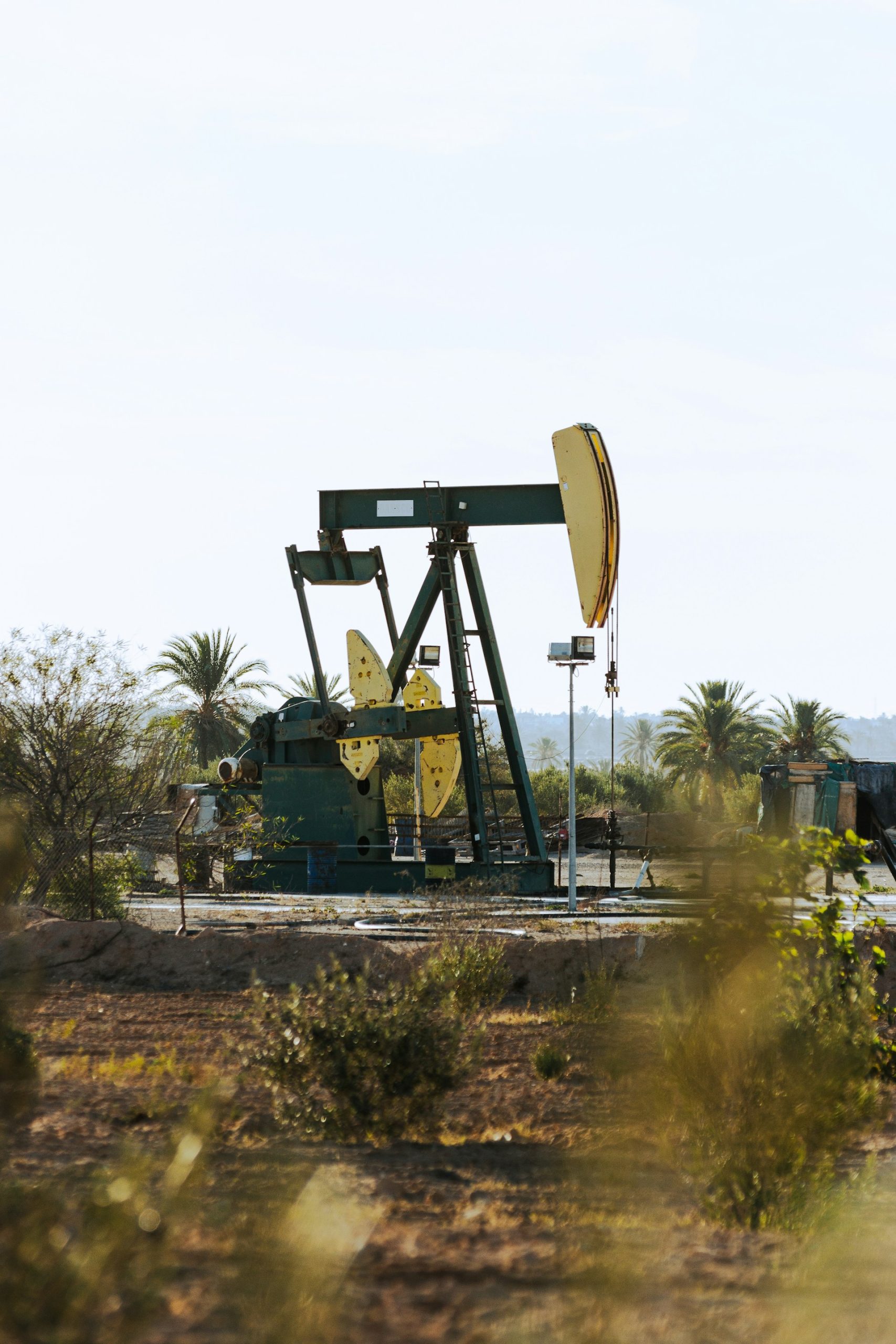
- 🛢️ Oil and gas plant equipment
- ⚡ Power generation modules
- 🏗️ Steel structures and bridge sections
- ⛏️ Mining machinery and processing equipment
Primary Receiving Countries
- 🇰🇿 Kazakhstan (infrastructure modernization)
- 🇺🇿 Uzbekistan (industrialization programme)
- 🇦🇿 Azerbaijan (energy sector expansion)
- 🇹🇲 Turkmenistan (gas infrastructure)
- 🇬🇪 Georgia (port and road development)
What Good Project Logistics on This Route Looks Like
Moving project cargo across the Middle Corridor requires more than booking a vessel. Route surveys must account for bridge load limits, road width restrictions, and tunnel clearances across five countries. Customs documentation for oversized and specialized equipment involves technical specifications and special import permits that differ by country. Vessel selection for the Caspian crossing depends on cargo dimensions relative to deck space and onboard crane capacity.
These are not problems that a standard freight forwarder can solve without corridor-specific experience and established relationships at Caspian ports, rail terminals, and customs offices across the region. For project owners and EPC contractors planning procurement logistics for projects delivering in 2026 and 2027, the window to secure experienced logistics partnerships is closing. Engaging early is the difference between a managed delivery and an emergency.